



We see many horses that are and aren’t vaccinated for Hendra virus in Central Queensland and get many questions about the pros and cons, what we will and won’t do if they are not vaccinated and many more. Below is an outline of our frequently asked questions and answers around Hendra.
Will you see my horse if it is sick and not vaccinated?
Short answer is yes of course. Depending on what your horse is presenting with it may look similar to a potential Hendra case. This includes colic, respiratory discharge, choke, fever or neurological abnormalities. In these instances, we may be limited in the treatment we can provide, before a Hendra exclusion test can be performed. This means your horse is not able to receive the gold standard care until a negative Hendra exclusion result is received. There may be additional PPE and exclusion test fees involved in this.
What about colic specifically?
We will not be able to tube your horse if it is colicing and is not Hendra vaccinated. We will however provide pain relief and fluid therapy, hospitalisation (in an Isolation stable), perform bloodwork, ultrasounds and other diagnostics. There may be additional PPE and exclusion test fees involved in this.
Is vaccinating my horse going to affect their performance?
The only registered side effect of the Hendra vaccine is a transient sore neck at the site of injection. This is very similar to the discomfort we feel in our shoulder after vaccines. For this reason if your horse is competing within the week it may not be indicated to vaccinate at that time to minimise discomfort.
I know someone whose horse died from the Hendra vaccine. Will that happen to my horse?
Vaccine companies are required to investigate any suspicions of vaccine reactions during initial testing of the product. During this time and since, there has been no evidence that the death of a horse post vaccination has been causative. Meaning there has always been another cause of death. Unfortunately, this misinformation has contributed to the stigma around the vaccine leading to many owners’ reservations around the product. As mentioned previously there is no reported vaccine reaction other than discomfort at the injection site.
Is it expensive to vaccinate and what is involved?
The vaccine course is 2 vaccines 4 weeks apart, followed by a 6 month booster then annual boosters ongoing. It is a commitment to upkeep your horse’s vaccine status, however they should be receiving tetanus/strangles vaccines annually already.
Is my horse even at risk?
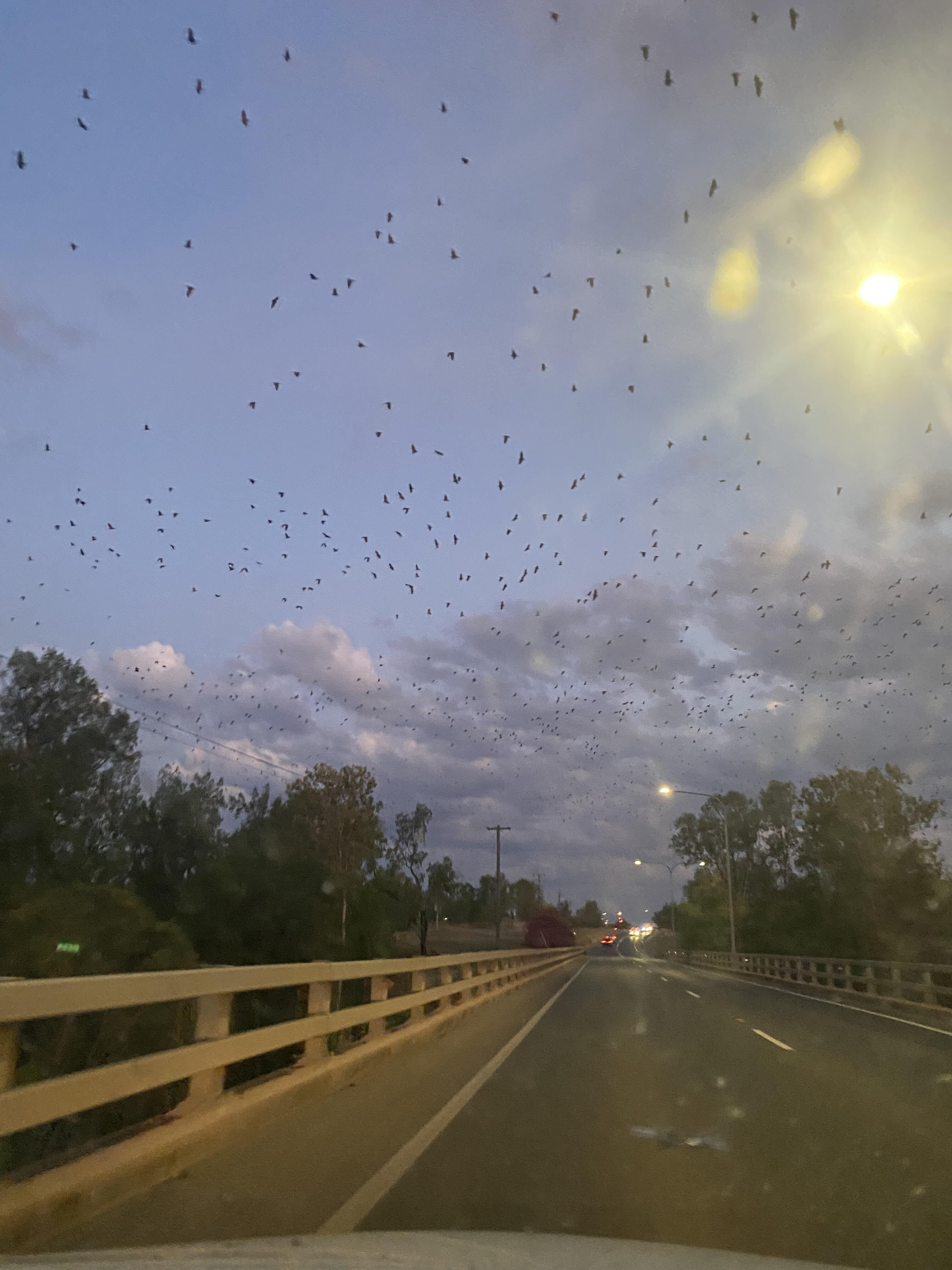
Yes. Hendra virus is spread via the ingestion of bat urine. It sounds unlikely and the disease is rare, however the risk is present in CQ. Typically, bats contaminate waterways such as troughs, dams, rivers etc.
Why is Hendra so serious?
Hendra virus is fatal to horses and can be spread to humans through exposure to bodily fluids (nasal discharge, saliva, urine, blood etc.). When a human is exposed death is very likely, with 7 cases confirmed in humans in Australia, 4 leading to death. There is no cure for Hendra virus so we rely solely on prevention.
We are committed to caring for your horses and always providing the best possible care. In some instances, the only way we can do that is with appropriate vaccination protection. If you have any further questions or would like to book your horse in for their vaccinations, contact our friendly team on 07 4982 2552.