


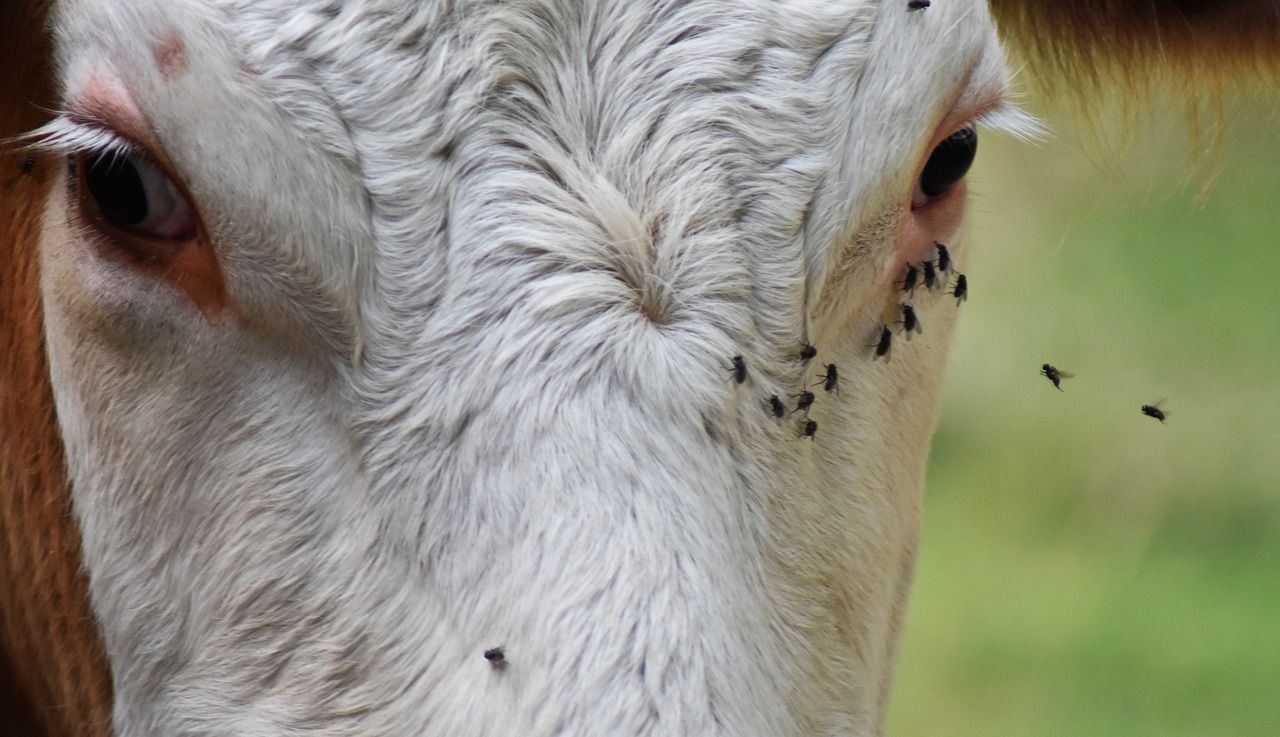
Pink eye, officially known as Infectious Bovine Keratoconjunctivitis (IBK), is one of the most common eye diseases we see in cattle, especially during the warmer months and after rain like we have had recently in CQ.
What Causes Pink Eye?
Pink eye is caused by the bacteria Moraxella bovis which damages the surface of the eye, leading to ulceration, inflammation and if left untreated rupture of the eye. It is highly contagious and often leads to outbreaks in a herd.
The bacteria is spread between individuals generally via vectors (objects which touch one infected eye and carry bacteria to the next). Commonly these are:
- Flies (major carriers of the bacteria)
- Tall grasses, weeds, or hay
- Direct transfer in feedlot or overstocked environments
- Humans can easily spread disease after touching infected eyes
Other contributing factors are
- Poor immunity (young, pestivirus and pregnant animals)
- High rainfall leading to increased insect vectors
- Poor nutrition
What to look out for?
Early detection is key. Common signs include:
- Watery eyes
- Squinting or holding the eye closed
- Redness and swelling of the eye
- Cloudiness, blue or white discolouration of the cornea (clear part of the eye)
Early treatment improves outcomes and helps limit spread. Treatment may include:
- Prescription antibiotics
- Anti-inflammatory medications to reduce pain
- Temporary isolation of affected animals
Because pink eye can worsen quickly, veterinary guidance is important to ensure proper drug selection, dosing, and withdrawal times.
If you are concerned about pink eye within your herd, contact our helpful team on 07 4982 2552.